
Intention Over Goals: Using Art Therapy to Create a Meaningful Vision Board
Creative, Trauma-Informed Art Therapy for Children, Teens, and Adults in Wauwatosa, Elm Grove, and Brookfield, WI
by Josie Beck, LPC-IT, ATR-P
Josie is a licensed Art Therapist and EMDR Therapist serving Wauwatosa, Elm Grove, and Brookfield, WI. She combines creative expression with evidence-based therapy to help clients explore emotions, process difficult experiences, and build deeper self-understanding. Through art therapy and compassionate conversation, Josie creates a supportive space where children, teens, and adults can heal from trauma, reduce anxiety, and foster personal growth. Her integrative approach blends the power of creativity with proven therapeutic techniques to support meaningful, lasting change.
Many of us feel pressure to set big goals and make major changes when we want a fresh start, whether that’s at the beginning of a year, after a life transition, or during a moment when we feel ready for growth. Yet so often, those ambitious plans don’t last as long as we hoped.
This isn’t because we lack motivation or discipline. Traditional goal-setting can feel rigid and all-or-nothing. When life inevitably shifts, as it always does, goals can quickly turn into reminders of what we didn’t accomplish instead of what we’re learning along the way.
What if, instead of focusing only on goals, we focused on intentions?
Goals vs. Intentions: What’s the Difference?
Goals tend to focus on outcomes, such as measurable achievements or milestones we want to reach. Intentions, on the other hand, focus on how we want to live and why those outcomes matter.
Intentions reflect values, energy, and direction rather than perfection. They allow growth to feel flexible and compassionate. Instead of feeling like we’ve failed when circumstances change, intentions offer gentle redirection back toward what matters most.
This mindset shift can transform the way we relate to personal growth. Rather than striving to achieve, we begin practicing how to be.
One creative way to explore intentions is through an intention-based vision board, an art therapy exercise designed to help you visually connect with the experiences, emotions, and values you want to invite into your life.
Creating an Intention-Based Vision Board
This process isn’t about making something aesthetically perfect. It’s about allowing creativity to guide reflection and self-understanding.
What You’ll Need
Magazines, printed images, or paragraphs
Scissors
Glue or tape
Any piece of paper or poster board
Markers or pens (optional)
If you don’t have magazines, you can draw symbols, shapes, or colors instead. The meaning matters more than the materials.
Step 1: Set the Tone
Before cutting or arranging anything, pause and reflect.
Ask yourself:
How do I want to feel in this season of my life?
What qualities do I want to bring into my daily experiences?
What would support, peace, or growth look like for me right now?
You may want to write down a few guiding intention words. For example, you might choose words like acceptance, creativity, or reflection — themes that feel grounding or aspirational.
There’s no need to overthink this step. Trust your first instincts.
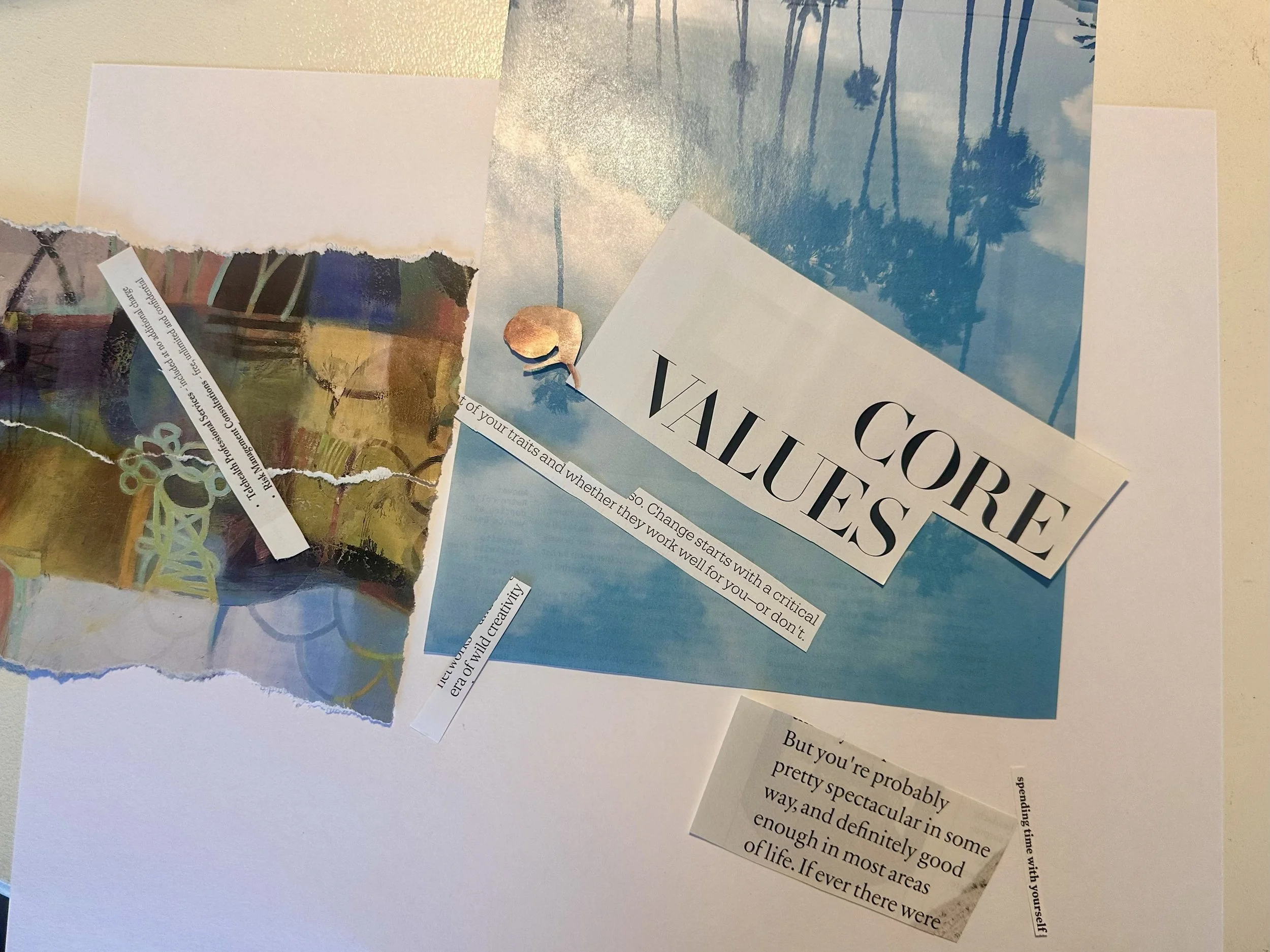
Step 2: Explore and Collect
Flip through magazines or images and notice what naturally catches your attention. Try not to analyze your choices too much. If something feels comforting, inspiring, or meaningful, set it aside.
This might include:
Photographs
Colors or textures
Words or phrases
Abstract imagery
If you’re drawing instead, experiment with lines, shapes, or symbols that express how your intentions feel rather than how they look.
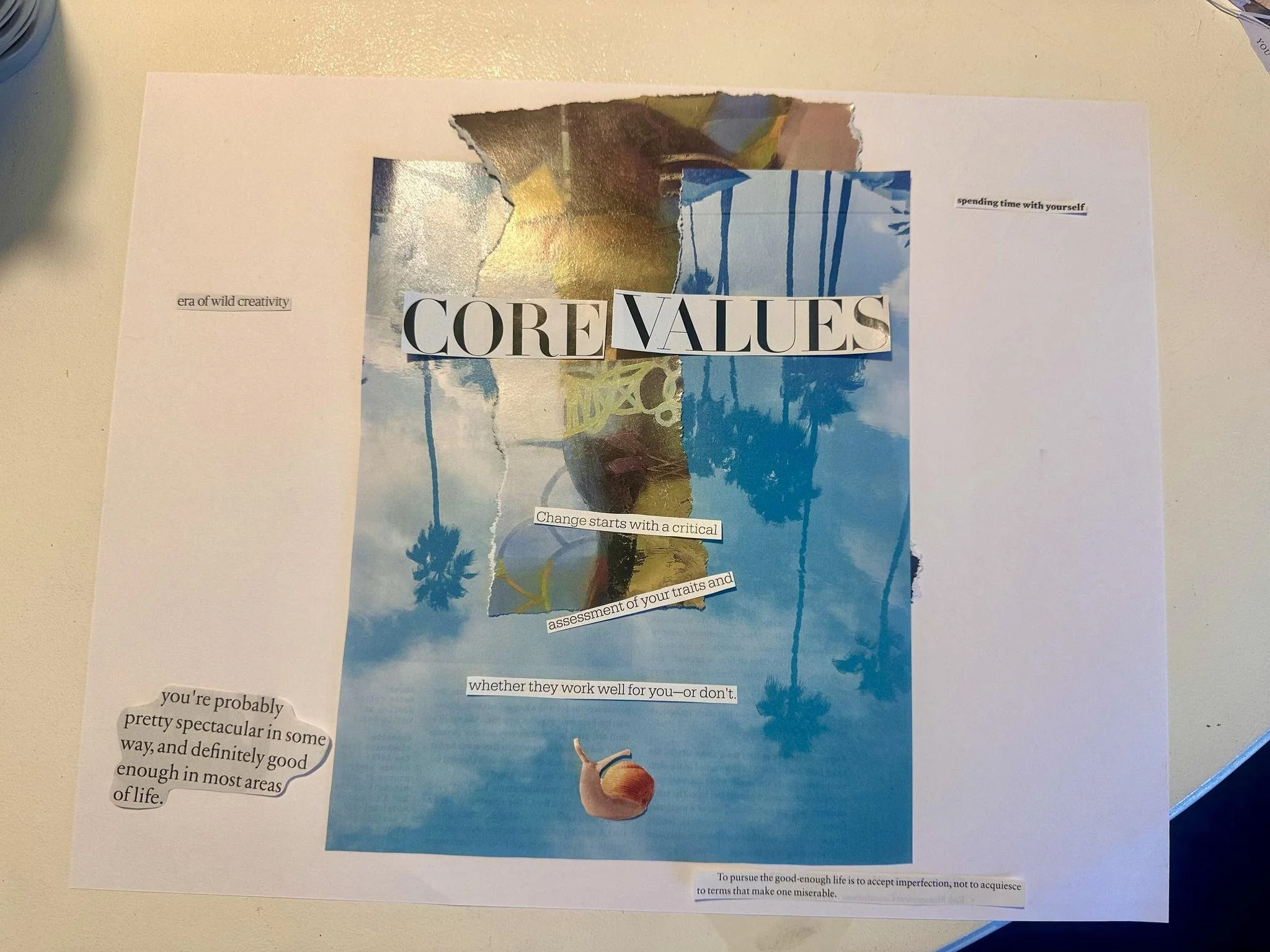
Step 3: Arrange Your Collage
Lay your images and words on your board before gluing them down. Play with placement and composition. There is no correct layout — only what feels supportive to you emotionally and visually.
If decision-making feels overwhelming, try letting chance guide you. Hold an image over the page and gently drop it, attaching it wherever it lands. Sometimes releasing control becomes part of the therapeutic process itself.
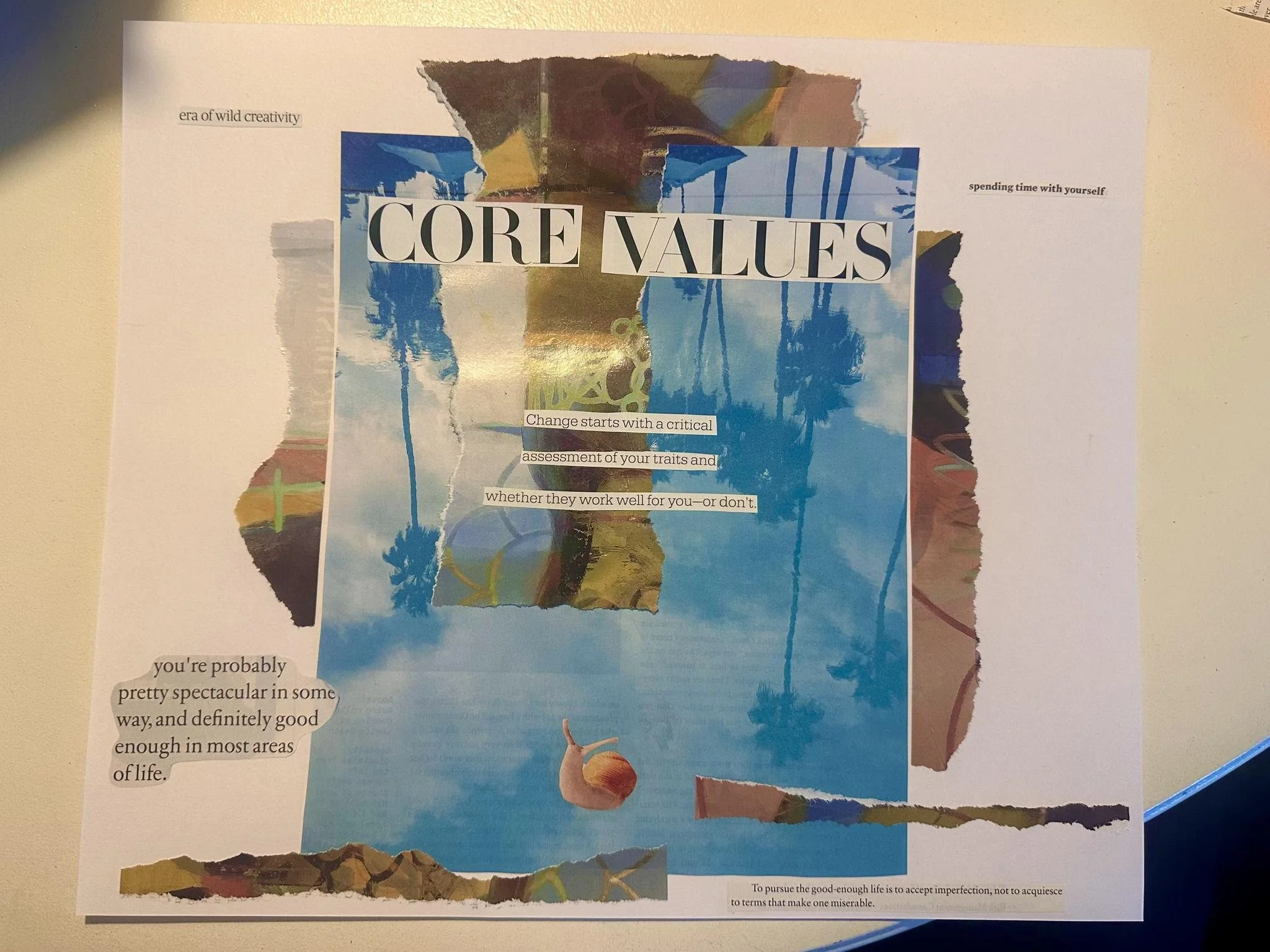
Step 4: Add Your Intentions
Write intention statements directly onto your vision board. These can be simple, compassionate reminders, such as:
Cultivating compassion toward myself and others.
Staying open to new ideas and experiences.
Honoring balance between work, rest, and play.
Let your words feel encouraging rather than demanding.
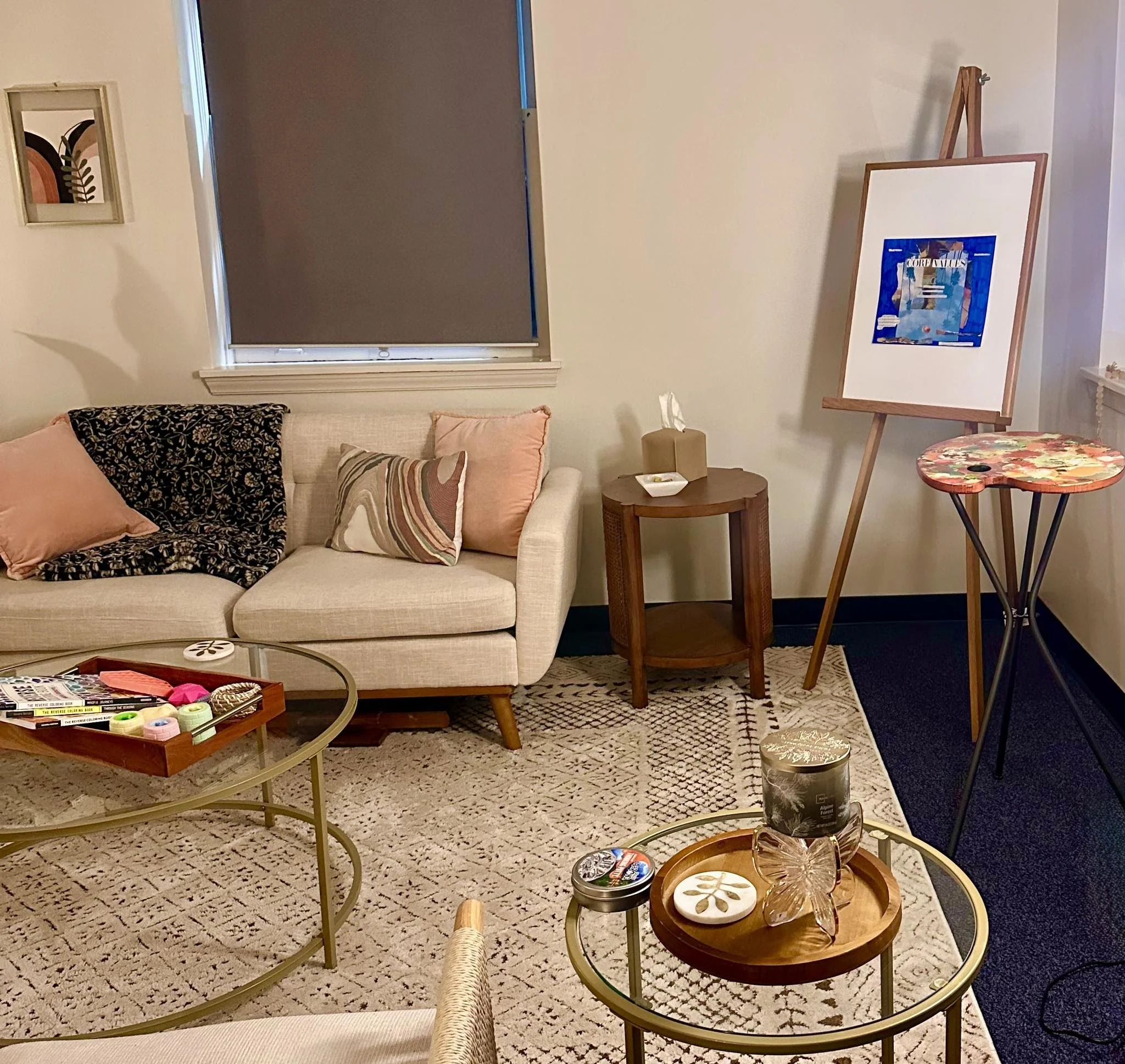
Step 5: Reflect and Revisit
Place your vision board somewhere you’ll see it regularly. Over time, it becomes less of a project and more of a quiet companion. It’s a visual reminder of what matters to you, especially on difficult or overwhelming days.
You may notice that it sparks conversations, inspires reflection, or gently brings your attention back to your values when life feels busy or uncertain.
Why This Practice Matters
A vision board created through intention isn’t simply a collection of images. It’s a reflection of the energy, experiences, and emotional landscape you want to nurture.
Focusing on intentions instead of rigid goals creates space for compassion, authenticity, and adaptability. Life rarely unfolds exactly as planned, but intentions allow us to stay connected to purpose even when circumstances change.
Think of your vision board as a gentle compass; something that helps guide decisions, nurture well-being, and remind you who you are becoming.
There is no right or wrong way to create it. What matters most is that it feels meaningful to you and supports your ongoing relationship with growth.
Sometimes growth isn’t about achieving more. It’s about becoming more aligned with yourself.
If this practice resonates with you and you’re curious about exploring art therapy for yourself, Josie would love to connect. As a first step, schedule a free consultation to ask questions and see if working together feels like the right fit.